What makes doors in food and cold-chain sites different?
Doors in food and cold-chain sites are different because temperature, hygiene and traffic all pull against each other. A freezer door that stays open too long lets warm, moist air in, which turns to ice on the floor, frame and evaporators and pushes up energy use. Chilled dispatch areas lose cold every time a dock door opens without a sealed trailer behind it. Meanwhile pallet trucks and forklifts need a clear, fast route through.
Hygiene adds another layer. Food hygiene law requires doors in food areas to be easy to clean and, where necessary, disinfect, which in practice means smooth, non-absorbent surfaces (Regulation (EC) No 852/2004, Annex II, assimilated law in Great Britain and applying directly in Northern Ireland). Doors also need to seal against pests and stop dust or allergens moving between high-care and low-care areas. Washdown water and cleaning chemicals attack motors, seals and fixings if the specification is wrong.
Which doors keep temperature and hygiene under control?
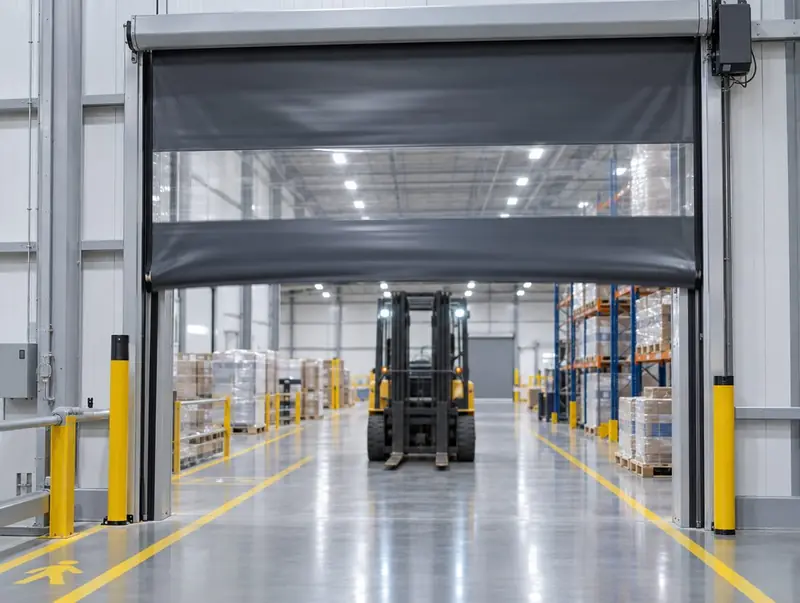
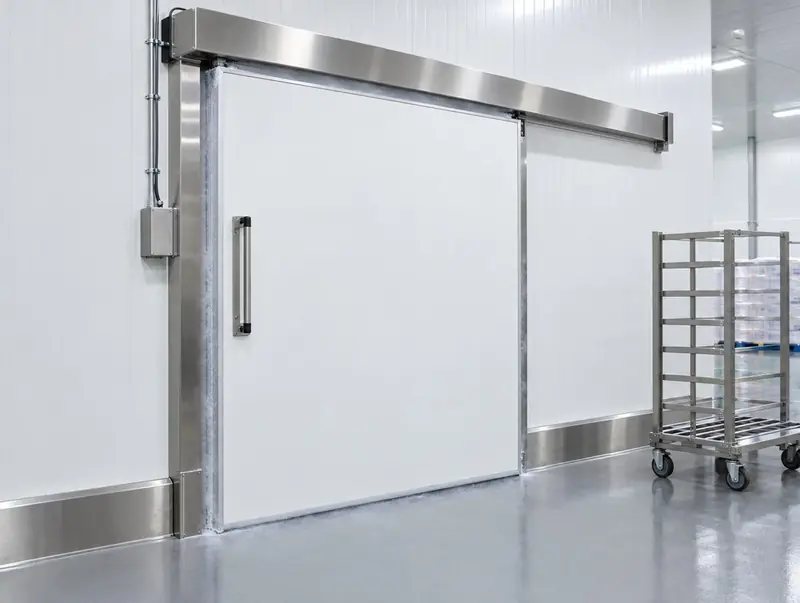
Insulated cold store and freezer doors with heated frames and pressure relief valves are the standard choice for chambers, because they seal tightly and stop ice locking the door shut. Between temperature zones, high-speed doors keep open time short, and insulated versions suit freezer use.
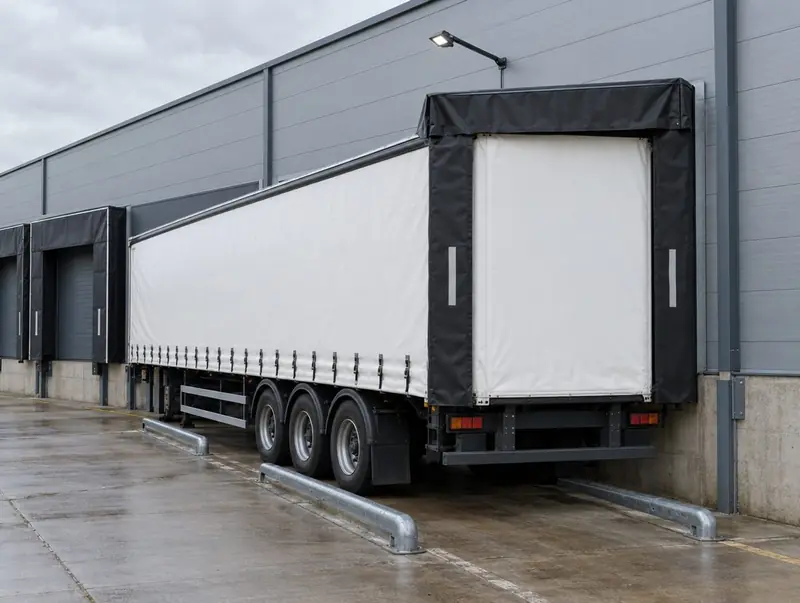
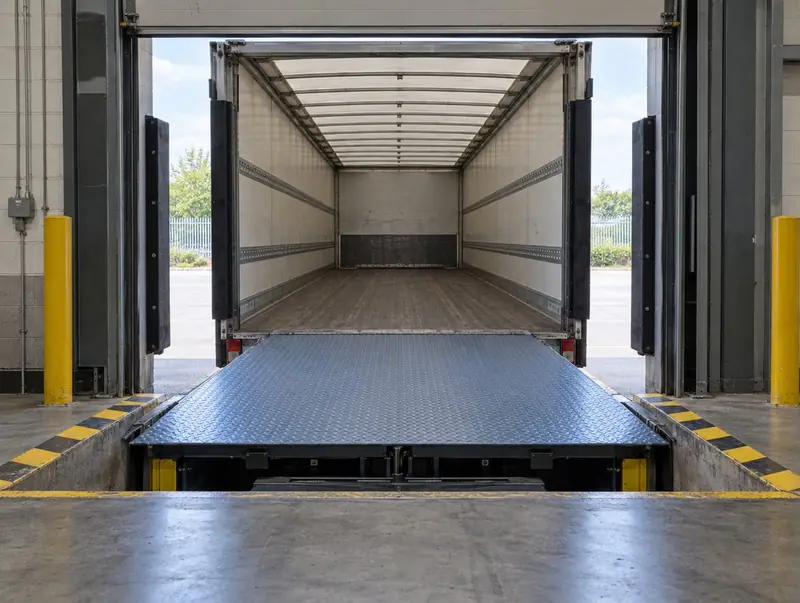
- Loading bays: inflatable shelters or dock seals with insulated sectional doors and dock levellers keep the cold chain sealed during loading.
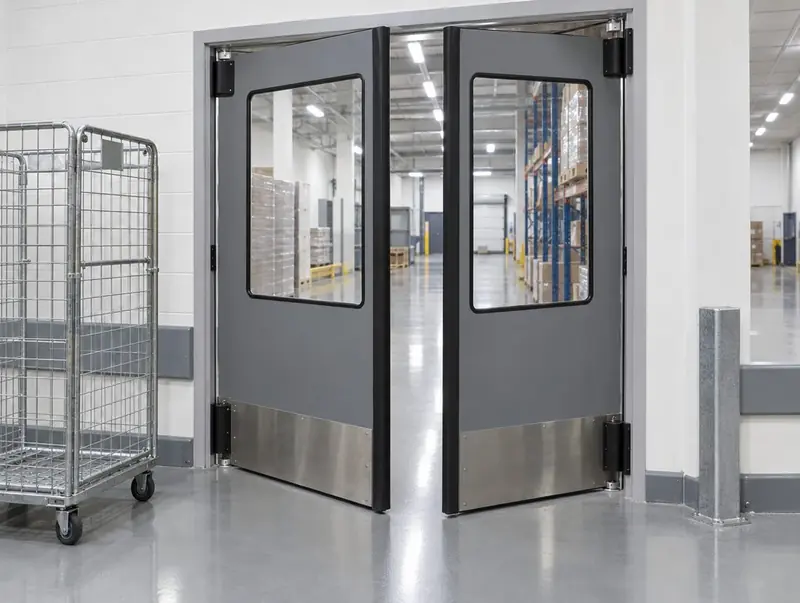
- Pedestrian and trolley routes: impact traffic doors in hygienic materials with vision panels.
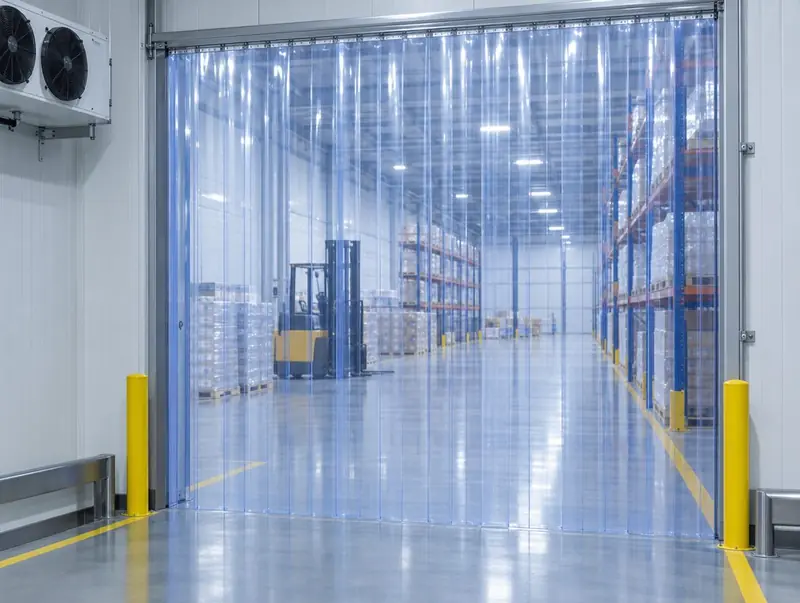
- Back-up barriers: PVC strip curtains, including low-temperature grades, behind doors that must stay open for long periods.
Stainless steel or food-safe finishes, sealed motors and controls rated for washdown are worth specifying in wet or high-care areas.
What safety points matter in cold stores and food areas?
The key cold store safety point is that nobody can be trapped inside. Doors to walk-in chambers should open from inside even when locked from outside, and many sites fit an internal alarm or release; your risk assessment sets what is needed. Powered doors must have features that prevent trapping and, where safety requires, be operable manually unless they open automatically on power failure (Workplace Regulations 1992 in Great Britain; the 1993 Northern Ireland regulations there).
Ice and condensation are slip and reliability risks too, so heated frames, seals and relief valves need checking on every service. Door and leveller choices also affect workplace transport: interlocks between a dock door, leveller and vehicle restraint help stop a trailer moving while a truck is inside it. Where we fit or convert a powered door, it is commissioned, force-tested and handed over with a Declaration of Conformity and user instructions.
How do you replace cold store doors without losing temperature?
Cold store doors are replaced in a planned window, often with the chamber run down or stock moved, and the old door removed and new door fitted in one visit wherever possible. We plan the sequence with your operations team and refrigeration contractor at survey.
- Agree whether the chamber stays at temperature or is run up during works.
- Fit temporary insulated panels or strip curtains while an opening is out of use.
- Work nights or weekends around production and dispatch by arrangement.
- Follow your hygiene rules on tools, protective clothing and debris control.
- Commission heated frames and seals before the door returns to service.
Dock bays are usually phased so chilled dispatch keeps running from the remaining positions.
Survey checklist for food and cold-chain sites
- Room temperatures either side of each door
- Door cycles per hour and peak dispatch times
- Hygiene zones: high-care, low-care and ambient
- Washdown routines and cleaning chemicals used
- Existing heated frames, relief valves and inside alarms
- Whether each loading bay is chilled or frozen
- Windows for works and how each chamber will be managed
Questions from food and cold-chain sites
Do freezer doors need heated frames?
Most freezer doors do. A heated frame keeps the seal line just above freezing, so ice does not form, lock the door or tear the seals. Chiller doors running above freezing often do not need one. The manufacturer specifies heating for each door type and temperature, and we check the electrical supply and controls for it at survey.
What does a cold store door cost?
A sliding cold store or freezer door has a guide price of £6,495 to £17,995, ex VAT, supplied and installed. Where a door falls in that range depends on size, temperature, insulation thickness, heated frame, powered or manual operation and finish. All prices are guides and are confirmed in writing after survey, which is free for new and replacement doors.
Can a cold store door be opened from inside?
It should be. Walk-in chamber doors need a way of opening from inside even when locked from outside, and many sites also fit an inside alarm button or release. When we survey an existing chamber we check the inside release and alarm arrangements, and include any upgrade in the quote if your risk assessment calls for it.
Last updated 19 October 2026.